Independent cost estimates for homeowners
Know what the job should cost.
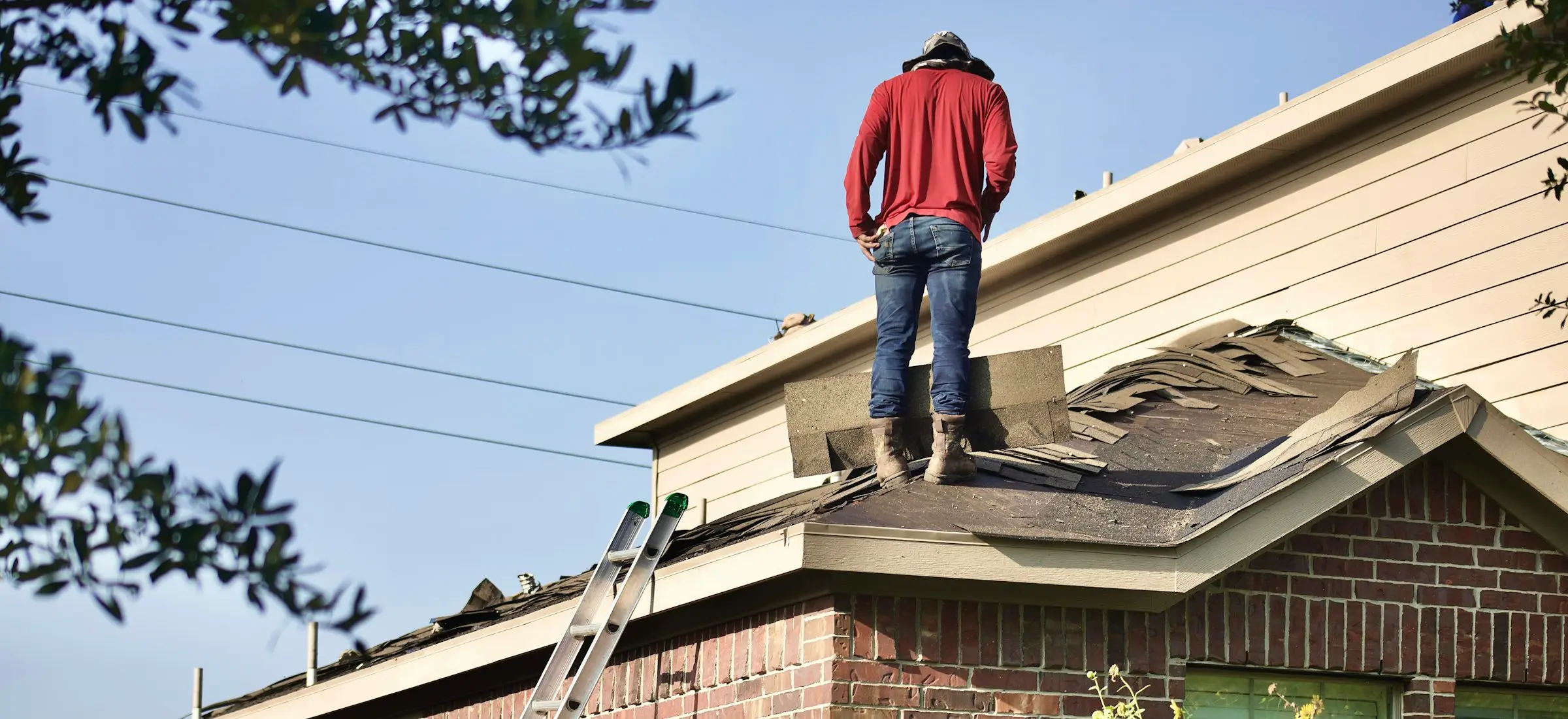
Photograph what needs fixing, add one sentence and your ZIP code. You get an itemized estimate — materials, labor hours by trade, disposal, permits and tax — priced to your area, before you ever talk to a contractor.
It arrives as a range with the likely value marked, never a single figure, and every line says whether it was measured or estimated.
- Itemized · materials + labor
- Priced to your ZIP code
- Measured or estimated, every line
- BLSlabor rates, measured by metro and trade
- Every linesays measured or estimated
- $0from contractors, ever
Priced fromBLS Occupational Employment & Wage Statistics · BLS Producer Price Index · state and local sales-tax tables · FEMA disaster declarations · your ZIP code
Estimate
Photograph the problem. Get materials, labor by trade, permits and tax — priced to your ZIP, as a range with the likely value marked.
How it worksCheck a quote
Photograph a contractor’s written bid. We compare it line by line against your estimate and flag what is high, low, missing or vague.
See pricingPermits
What is likely to need a permit, roughly what it costs, and exactly which authority to confirm it with. Likely, never certain.
Read the methodAsk the right questions
The questions a good contractor expects to be asked, the answers that should worry you, and what to do next.
Questions answered
When a contractor names a price, it is usually the first real number you have ever heard for that job.
They know materials, labor rates and what the local market bears. You are hearing all of it for the first time, and you are expected to decide.
Most contractors are honest, and this is not a story about the ones who are not. Only one side of that conversation has the information. QuoteCops hands you the other half before you walk into it.
- Materials, at trade priceMaterials, at trade price — you do not have this
- Labor hours, by tradeLabor hours, by trade — you do not have this
- What the local market bearsWhat the local market bears — you do not have this
- Overhead and markupOverhead and markup — you do not have this
- The price they nameThe price they name— you have this too
QuoteCops fills the other four. Priced to your ZIP code, itemized, and in your hands before the conversation starts.
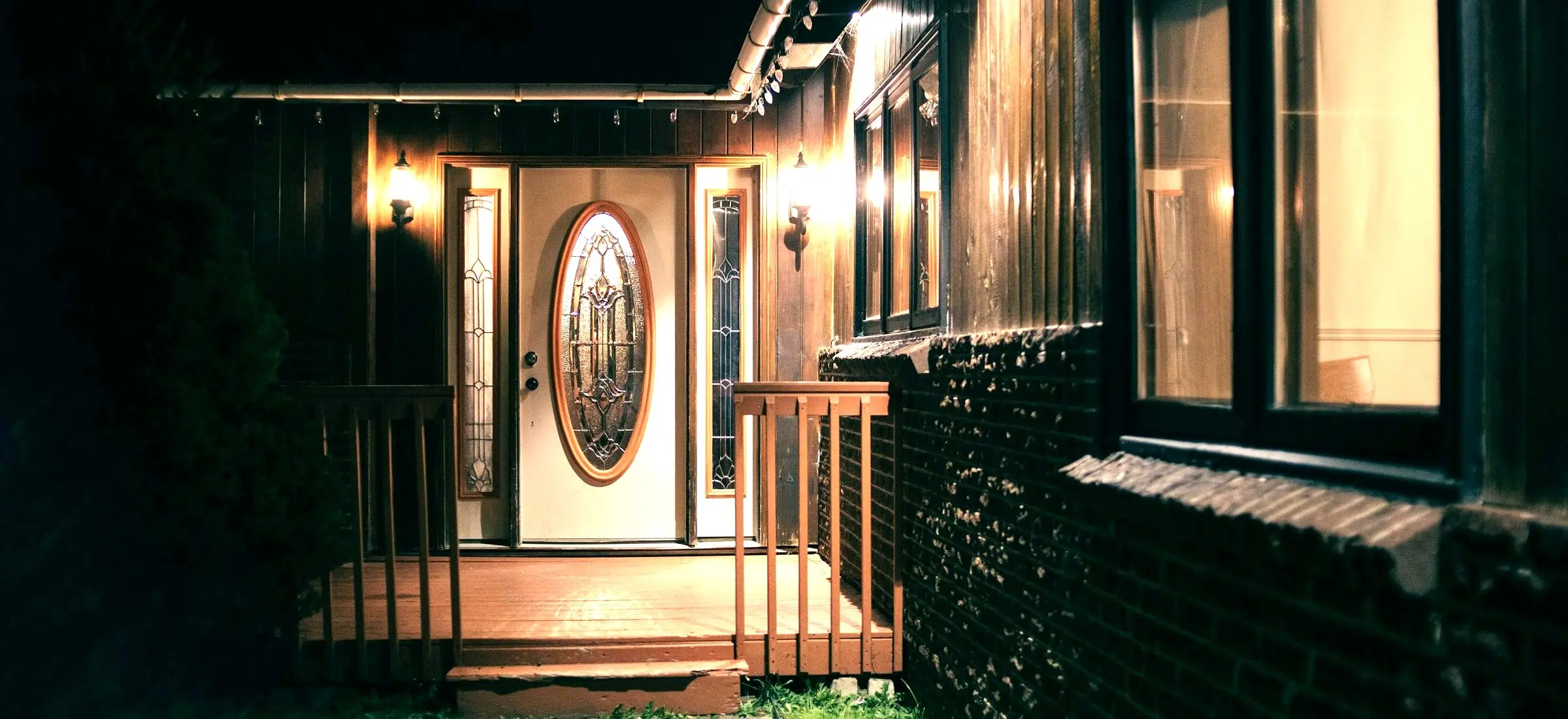
Most of these conversations happen at your own front door.
A photo carries more than you think — and less than you hope.
From one shot we get the tile, the area, the length of the failure and the span of the wall. That is most of a takeoff.
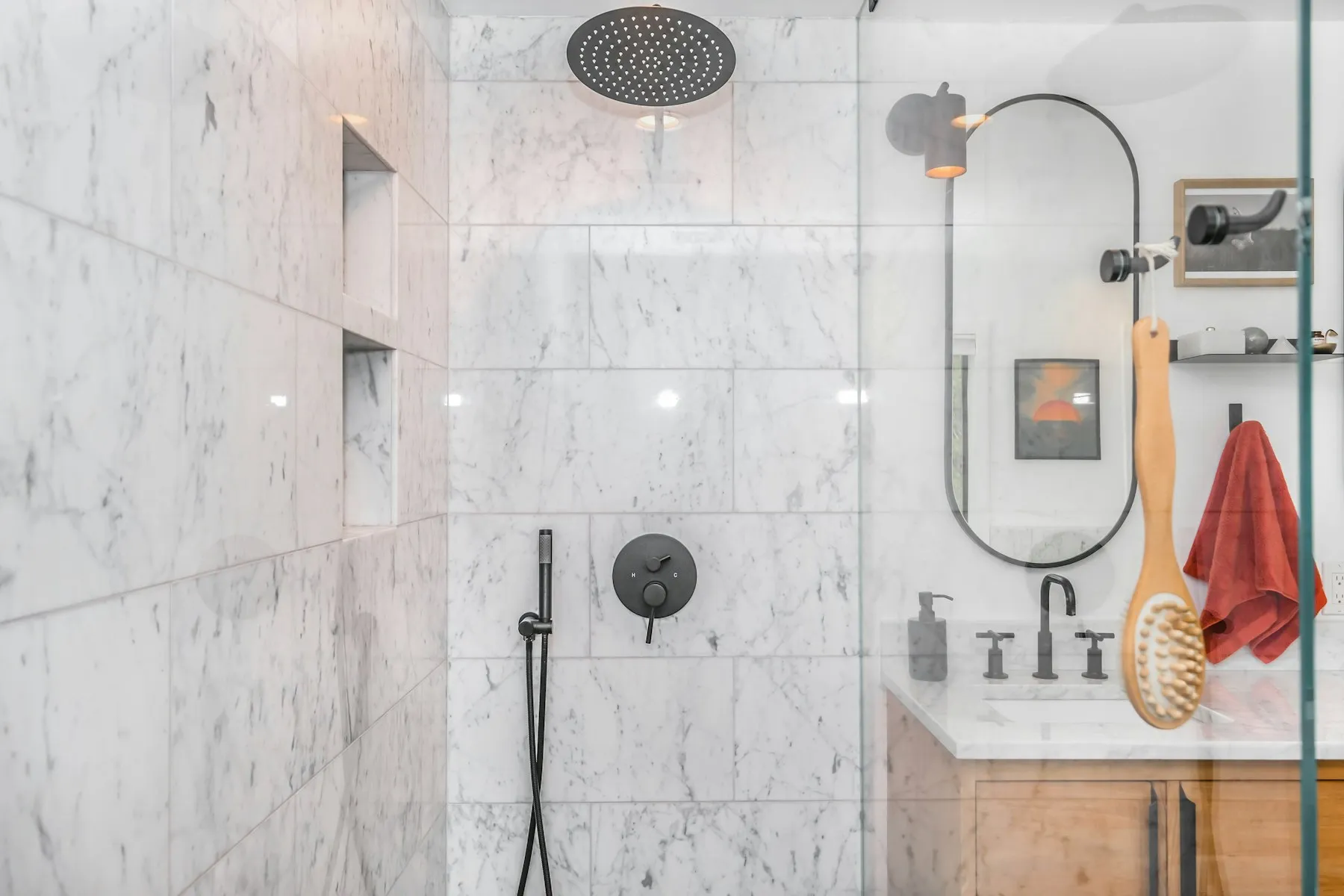 Ceramic tile≈ 48 sq ftGrout linefailure, full heightBehind the boardcan't see — assumed wetSpan3 ft × 5 ft
One photograph, straight on. Everything pinned to it was read from it; nothing was typed in.
Read from the photograph
- Ceramic tile≈ 48 sq ft
- Grout linefailure, full height
- Span3 ft × 5 ft
Not visible, so not guessed
- Behind the boardassumed wet
- The framingsound or not
- The waterproofingpresent or not
What we cannot get is what is behind the board. So we say so, price the likely case, and show what it would add if we are wrong — which is why the range has a width, and a reason.
See the whole flowFour steps, about ten minutes.
- 01
Photograph the work
The app tells you exactly what to shoot for your kind of job, and checks each photo before you move on. Bad photos make bad estimates, so we would rather catch it there.
- 02
Say what you want done
One or two sentences, in your own words, plus your ZIP code. We ask for a ZIP and not your street address, because a ZIP is all the pricing actually needs.
- 03
Check what we understood
Before any price, we state the job back in plain language, along with what we assumed and what a photo simply cannot show. Correct it and the estimate re-prices.
- 04
Get the itemized number
Materials, labor hours by trade, disposal, permits, tax, and the contractor markup shown separately — with a realistic range instead of a falsely precise figure.
Every line, and where it came from.
This is the screen you get. Not a number — the working.
- The unknowns come before the price.What a photo can’t see behind the wall, how often it turns up, and what it adds if it does. You read this first, on purpose.
- Labor is measured, not guessed.Hours for a tile setter, at what tile setters actually make in your metro. Federal wage data, and it says so on the line.
- The markup is its own line.Overhead and profit are real costs — a contractor has a business to run. You should just know they’re there.
Shower tile surroundSAMPLE
Seattle, WA 98108 · 14 Sep 2026
$2,500–3,800
Typicali
Job
Remove cracked tile and damaged backing from a 3×5 ft section of shower surround. Replace backer board, re-waterproof, re-tile, grout and seal.
- The plumbing and the valve stay put.
- Standard ceramic tile, not stone.
- No permit — a like-for-like repair.
What could change iti
- Rot in the framing1 in 4+$800–2,000
- Mold needing work1 in 8+$500–1,500
- Tile discontinued1 in 5+$1,200–3,000
Where the money goes
Materials5 items~$380~ estimated
- Cement backer board, 3×5 ft2 sheets~$34
- Waterproofing membrane1 roll~$68
- Ceramic wall tile48 sq ft~$142
- Thinset mortar + grout—~$86
- Sealant, trim, fasteners—~$50
Sources
An estimate, not a quote.
Two-thirds of this job is labor — and labor is the part we can measure.
The same estimate as the phone above, at its most likely value: $3,000. The five lines below sum to exactly that.
- Labor14–20 hrs, tile setter$2,000measured
- Overhead & profitthe contractor’s business$430estimated
- Materialstile, board, membrane$380estimated
- Disposal & prephaul-away, protection$150estimated
- Sales taxWA, on materials$40measured
We take no money from contractors. Ever.
No lead generation, no referral fees, no sponsored placements. Nobody pays us to make a job look cheap or expensive. Look at the form above — there is nowhere to put a phone number, because we never need one.
- Every price shows its source. Labor rates come from federal wage data for your metro area and your trade. Where a figure is our estimate rather than measured data, we label it as one.
- Assumptions come before the price. Not in a footnote afterwards.
- A range, never a fake-precise figure. Where we are less certain, the range gets wider and we say why.
- If we are not confident, you get no estimate and no charge. A wrong number is worse than no number.
Find out what it should cost.
QuoteCops is in development for iPhone. Leave your email and we will tell you once — when it opens.